
BPC-157
BPC-157 is a synthetic 15-amino-acid peptide that has attracted interest because of laboratory and animal research involving gastrointestinal biology, blood-vessel signaling, connective tissue, and tissue-response pathways. Human clinical evidence remains limited.
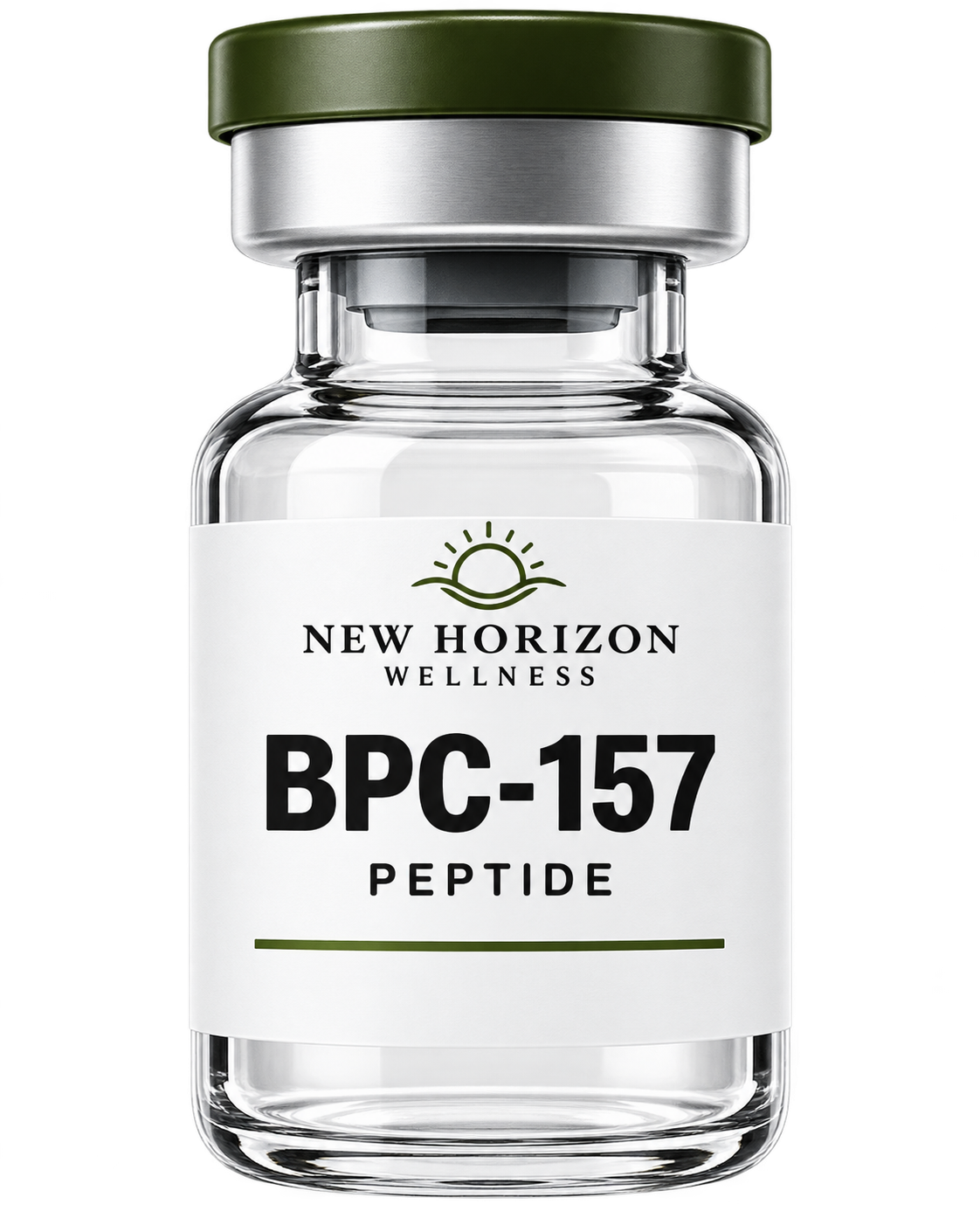
What Is BPC-157?
BPC-157 is a synthetic peptide composed of 15 amino acids. It has been described in the scientific literature as a fragment related to a gastric protein preparation and has been investigated primarily in preclinical models.
Published animal and laboratory research has explored effects involving gastrointestinal tissue, angiogenic signaling, tendon and ligament models, muscle injury, wound biology, inflammatory pathways, and interactions with several signaling systems.
The breadth of preclinical research helps explain the interest in BPC-157, but results in cells and animals cannot establish safety or effectiveness for injury recovery, gastrointestinal conditions, pain, or other uses in people.
Mechanisms Being Studied
- Blood-vessel and angiogenic signaling pathways
- Cell migration and tissue-response pathways
- Tendon, ligament, muscle, and connective-tissue models
- Gastrointestinal mucosal and inflammatory biology
- Nitric-oxide and other cellular signaling systems
What Does the Research Show?
Most published BPC-157 research remains preclinical. Animal studies have reported findings involving tendon and ligament healing models, muscle injury, gastrointestinal tissue, angiogenesis, and other biological processes. These studies are hypothesis-generating rather than proof of clinical benefit.
Human evidence is sparse. A small 2025 pilot study evaluated intravenous BPC-157 in only two adults who had previously received the compound. No adverse effects were reported in that short study, but a two-person pilot cannot establish safety or effectiveness.
FDA's 2026 review found no human studies administering BPC-157 through the proposed oral, subcutaneous, nasal, or transdermal routes. FDA concluded that available information was insufficient to characterize the clinical safety profile and that evidence was insufficient to establish effectiveness for the use it formally evaluated.

Why Patients Ask About BPC-157
Goals commonly discussed include:
- Muscle, tendon, and connective-tissue recovery interests
- Exercise and activity-related recovery goals
- Joint and mobility-related wellness concerns
- Gastrointestinal-health interests
- Interest in tissue-repair and recovery research
These are areas of patient interest and provider discussion, not FDA-approved indications or established treatment outcomes.
What to Know
BPC-157 is not an FDA-approved drug. Compounded preparations containing BPC-157 do not undergo FDA premarket review for safety, effectiveness, or manufacturing quality.
FDA has identified limited safety information for BPC-157 and potential concerns involving immunogenicity, aggregation, peptide-related impurities, and characterization of the active pharmaceutical ingredient.
In its July 2026 evaluation, FDA concluded that the available evidence weighed against adding BPC-157 free base or BPC-157 acetate to the 503A Bulks List. FDA's review specifically evaluated ulcerative colitis and should not be interpreted as a clinical determination regarding every use for which BPC-157 is promoted.
A provider should review health history, medications, treatment goals, formulation, route of administration, product quality, and established alternatives before therapy is considered.
Interested in BPC-157?
Schedule a consultation to discuss your goals, current health, and available treatment options.