
KPV
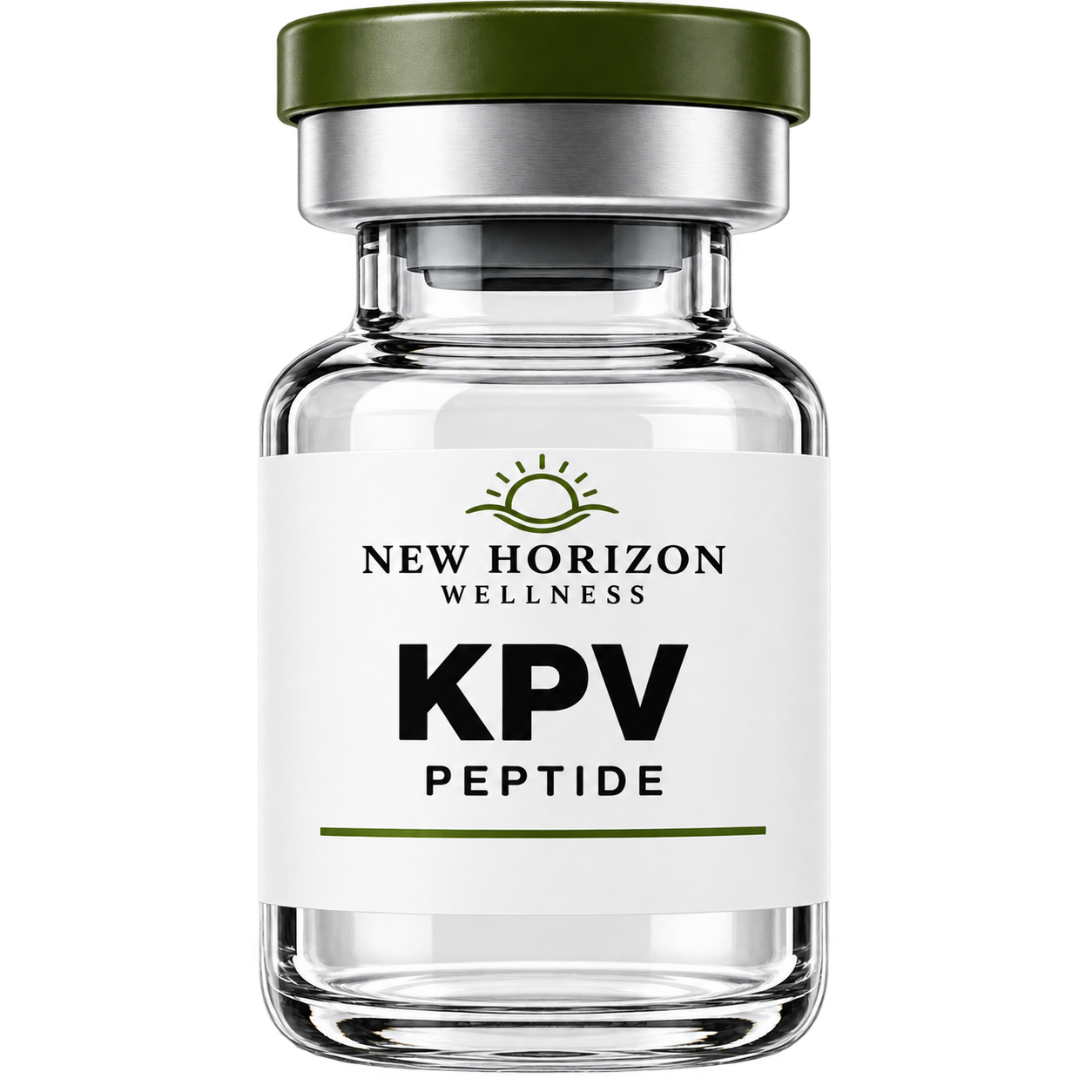
KPV is a three-amino-acid peptide — lysine, proline, and valine — derived from the C-terminal region of alpha-melanocyte-stimulating hormone (alpha-MSH). It has been investigated primarily in preclinical research involving inflammatory signaling and tissue-response pathways.
What Is KPV?
KPV corresponds to the amino-acid sequence Lys-Pro-Val and represents residues 11–13 of alpha-MSH. Researchers have studied this small peptide because experimental models suggest it can influence inflammatory signaling associated with the parent melanocortin peptide.
Laboratory studies have examined KPV in epithelial cells, keratinocytes, immune signaling, and animal models of inflammation. Research has included pathways involving NF-kappaB, inflammatory mediators, cellular migration, and tissue responses.
These findings are preclinical. FDA's 2026 review found no human exposure data for drug products containing KPV by any route of administration.
Mechanisms Being Studied
- NF-kappaB and inflammatory signaling pathways
- Cytokine and chemokine signaling
- Epithelial and keratinocyte cellular responses
- Immune-cell migration and inflammatory activity
- Tissue and wound-response pathways in preclinical models
What Does the Research Show?
Preclinical studies provide evidence that KPV can influence inflammatory signaling. In human bronchial epithelial cell models, KPV inhibited NF-kappaB signaling and reduced secretion of selected inflammatory mediators. Other laboratory work has evaluated melanocortin-related signaling in human keratinocytes.
Animal studies have also reported anti-inflammatory effects in experimental models. These findings help explain why KPV continues to be investigated, but cell and animal studies cannot establish clinical effectiveness in patients.
FDA's 2026 review found no studies in which KPV drug products were administered to humans and concluded that evidence was insufficient to evaluate effectiveness for the nominated uses of wound healing and inflammatory conditions.
Why Patients Ask About KPV
Goals commonly discussed include:
- Inflammation-related wellness concerns
- Gastrointestinal and gut-health interests
- Skin and tissue wellness goals
- Recovery-focused wellness planning
- Interest in melanocortin-related peptide research
These are discussion areas, not approved indications or established treatment outcomes.
What to Know
KPV is not an FDA-approved drug. Compounded KPV products do not undergo FDA premarket review for safety, effectiveness, or quality.
In its July 2026 review, FDA reported that it had not identified human exposure data for KPV drug products administered by any route. FDA also found insufficient clinical and nonclinical safety information, including insufficient information to assess potential immunogenicity or aggregation-related risks.
FDA's 2026 evaluation proposed not adding KPV free base or KPV acetate to the 503A Bulks List. A provider should review health history, medications, treatment goals, formulation, route of administration, and established alternatives before therapy is considered.
Interested in KPV?
Schedule a consultation to discuss your goals, current health, and available treatment options.