
Semax
Semax is a synthetic seven-amino-acid peptide derived from a fragment of adrenocorticotropic hormone (ACTH). It has been studied primarily for neurological and cognitive effects, with much of the published human literature originating outside the United States.
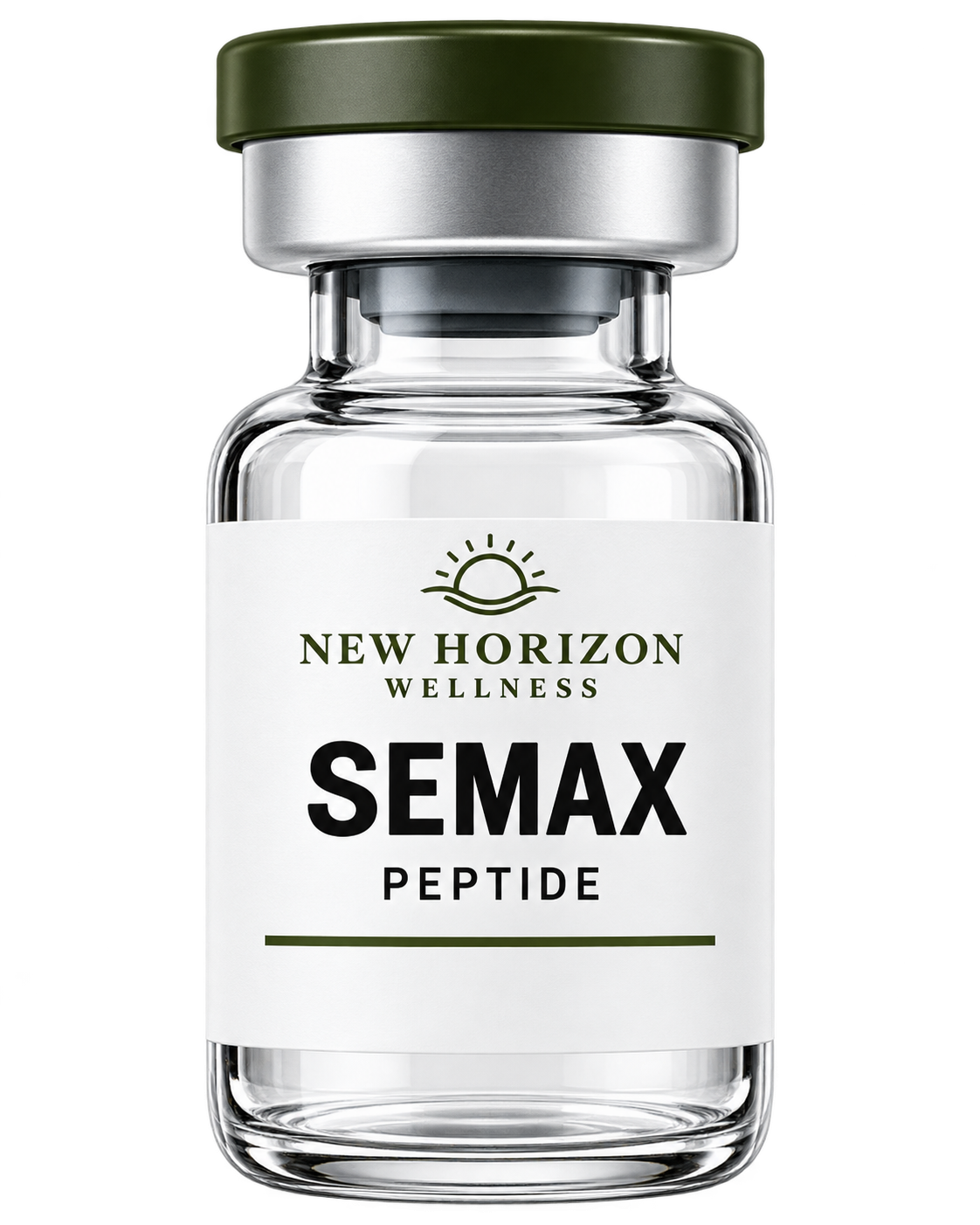
What Is Semax?
Semax is the heptapeptide Met-Glu-His-Phe-Pro-Gly-Pro. It was developed from the ACTH(4-7) sequence but is discussed in research primarily for neurobiological effects rather than for stimulating adrenal corticosteroid production.
Published studies have evaluated intranasal Semax in areas such as ischemic stroke and cognitive performance. However, the evidence base is relatively small, much of it is older, and many studies do not meet the size or methodological standards expected for modern U.S. drug approval.
Semax is not an FDA-approved drug in the United States.

Mechanisms Being Studied
- Neurotrophic and neuroprotective signaling pathways
- Changes in gene expression related to neural signaling
- BDNF and other neurotrophin-related pathways
- Responses to cerebral ischemia and hypoxic stress
- Learning, memory, attention, and broader cognitive processes
What Does the Research Show?
Human studies have reported neurological and cognitive findings with intranasal Semax, including studies in ischemic stroke and older research involving attention and memory under demanding conditions.
These findings are scientifically interesting, but the overall evidence remains limited. FDA's 2026 review noted insufficient clinical information to characterize the safety profile of intranasal Semax, no safety data for the proposed subcutaneous route, and no published human pharmacokinetic studies identified by the agency.
FDA also noted that one publication describing possible antithrombotic properties raised a potential bleeding concern, particularly for people at increased bleeding risk or using medications that can increase bleeding.

Why Patients Ask About Semax
Goals commonly discussed include:
- Focus and attention-related goals
- Memory and cognitive-performance interests
- Interest in neuroplasticity and neurotrophic signaling
- Brain-health and healthy-aging goals
- Interest in intranasal peptide therapy
These are discussion areas, not approved indications or guaranteed treatment outcomes.
What to Know
Semax is not FDA-approved in the United States. Compounded Semax products do not undergo FDA premarket review for safety, effectiveness, or quality.
In its 2026 evaluation, FDA concluded that available clinical information was insufficient to adequately characterize Semax safety and raised concerns about potential immunogenicity, aggregation, peptide-related impurities, and a possible bleeding risk.
FDA's 2026 evaluation weighed against placing Semax-related bulk drug substances on the 503A Bulks List. A provider should review health history, medications, bleeding risk, formulation, route of administration, and available alternatives before therapy is considered.
Interested in Semax?
Schedule a consultation to discuss your goals, current health, and available treatment options.