
Thymosin
Alpha-1
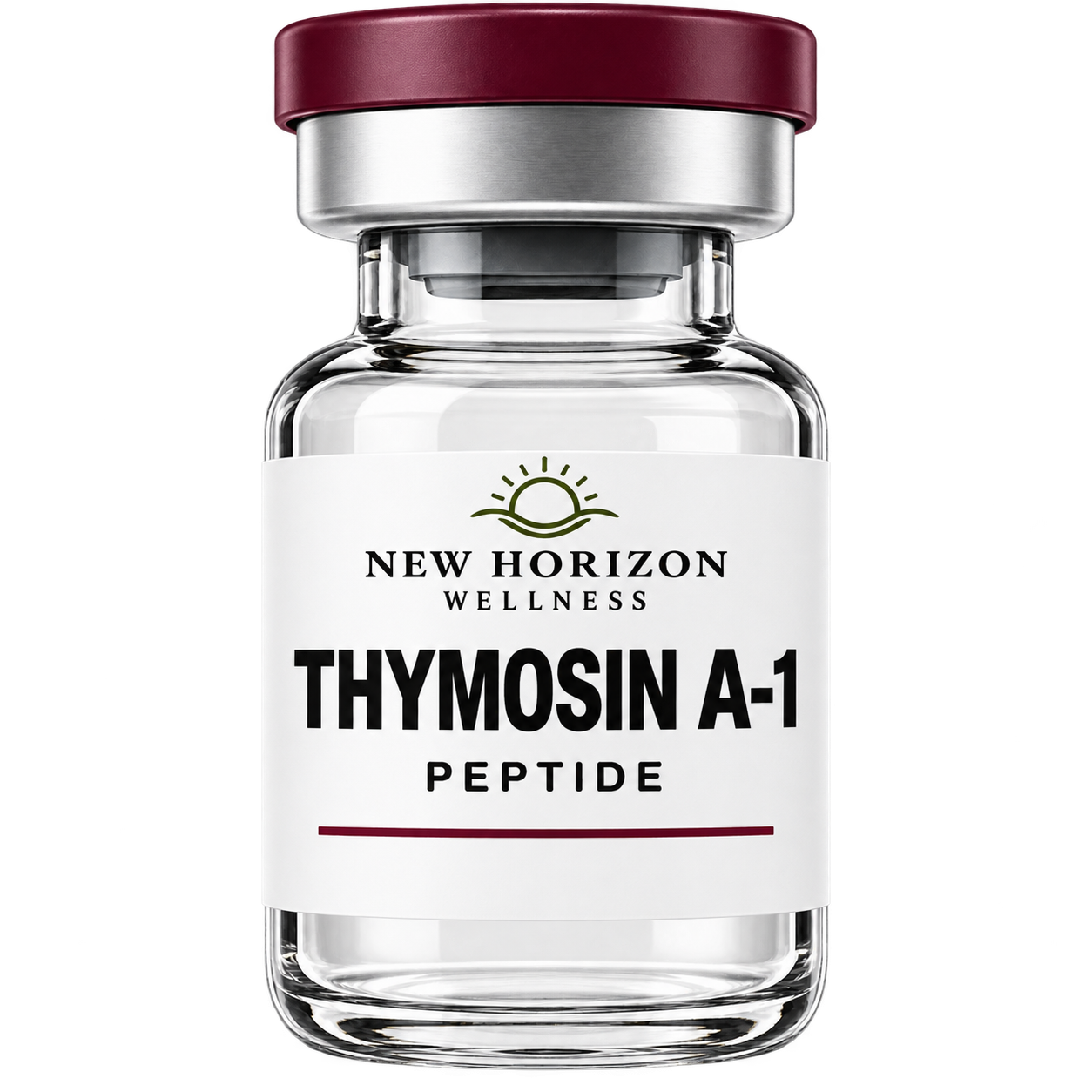
Thymosin Alpha-1 is a naturally occurring 28-amino-acid peptide associated with thymic and immune function. Its synthetic form, thymalfasin, has been studied extensively in human clinical research involving immune response, infectious disease, vaccine response, and other immune-related conditions.
What Is Thymosin Alpha-1?
Thymosin Alpha-1, also called Tα1, is a 28-amino-acid peptide originally isolated from thymic tissue. A synthetic pharmaceutical form is known as thymalfasin.
Unlike many wellness peptides that are supported primarily by laboratory or animal research, Thymosin Alpha-1 has a substantial history of human clinical investigation. Research programs have evaluated immune modulation across infectious disease, cancer, sepsis, vaccine response, and immunocompromised populations.
Thymalfasin has been authorized or marketed for certain indications in a number of countries outside the United States. It is not an FDA-approved drug in the United States.
Immune Pathways Being Studied
- T-cell maturation, differentiation, and immune responsiveness
- Dendritic-cell and Toll-like receptor signaling
- Natural killer cell and innate immune activity
- Cytokine signaling and coordination of immune responses
- Immune responses associated with infection and vaccination
What Does the Research Show?
Thymosin Alpha-1 has a considerably larger human evidence base than many peptides discussed in wellness medicine. Clinical development has included studies ranging from early immune-deficiency research to larger trials involving hundreds of patients.
Human research has evaluated thymalfasin in chronic viral hepatitis, sepsis and severe infection, vaccine response, cancer, and other conditions involving altered immune function. Results vary by disease, study design, and treatment combination, so findings from one clinical setting should not be generalized to another.
A 2024 narrative review summarized more than 30 clinical trials involving over 11,000 participants and described Thymosin Alpha-1 as generally well tolerated. That review is supportive, but it does not establish broad effectiveness for general wellness or routine immune enhancement.

Why Patients Ask About Thymosin Alpha-1
Goals commonly discussed include:
- Immune-health and immune-response concerns
- Interest in immune resilience and recovery
- Healthy-aging and immune-function goals
- Interest in vaccine-response research
- Questions about immune-modulating peptide therapy
These are discussion areas, not FDA-approved indications or guaranteed treatment outcomes.
What to Know
Thymosin Alpha-1 / thymalfasin is not FDA-approved in the United States. Compounded preparations do not undergo FDA premarket review for safety, effectiveness, or manufacturing quality.
Although Thymosin Alpha-1 has meaningful human clinical research and international therapeutic use, the strength of evidence differs substantially by indication. Research involving serious infections, cancer, or other diseases should not be interpreted as proof of effectiveness for general wellness or preventive immune support.
Because Thymosin Alpha-1 affects immune signaling, provider evaluation is important. Health history, medications, immune-related conditions, treatment goals, formulation, and available established therapies should be reviewed before treatment is considered.
Interested in Thymosin Alpha-1?
Schedule a consultation to discuss your goals, current health, and available treatment options.